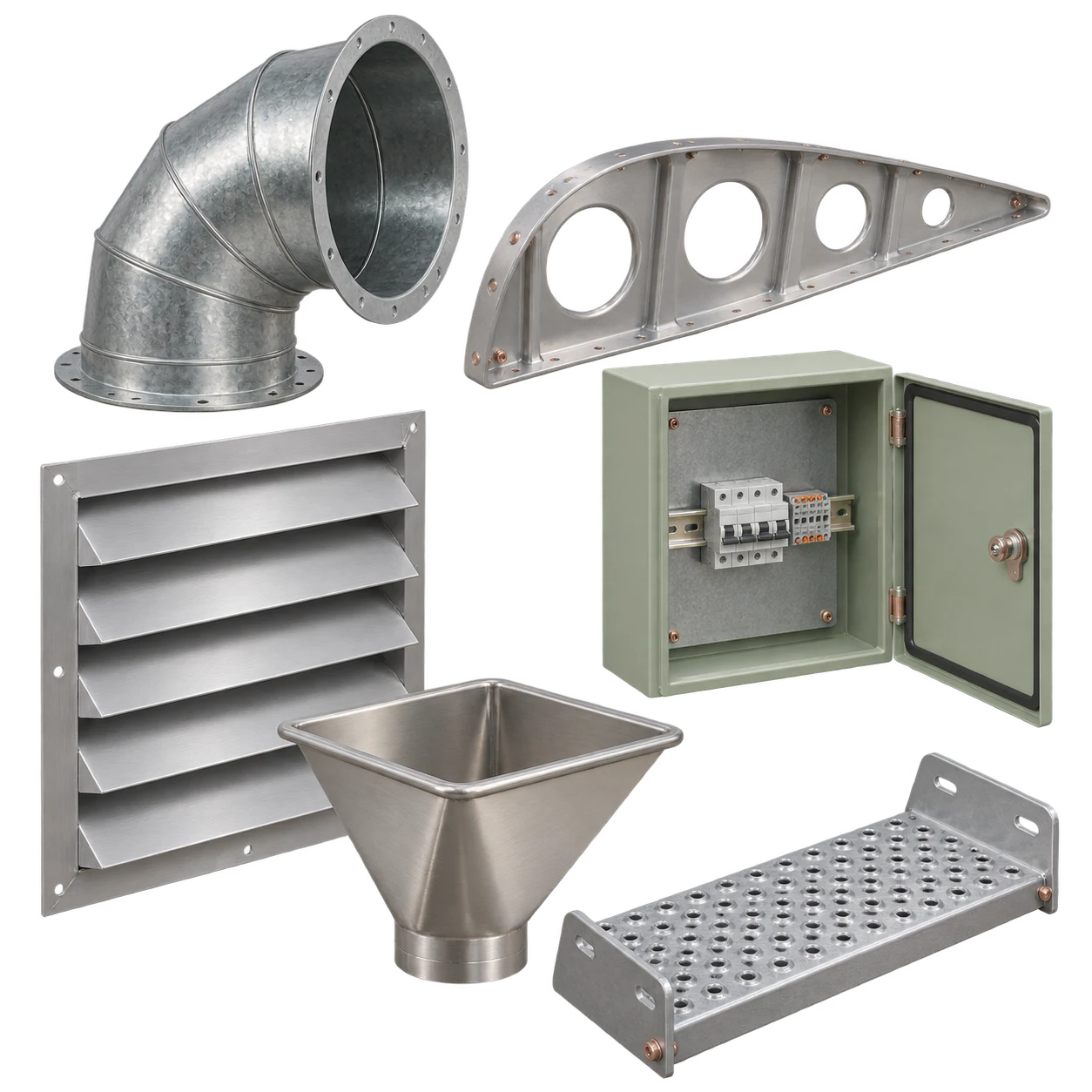
A door frame, a ventilation unit, an aircraft bracket. The end use changes, but each needs the right drawing, material, operations and delivery plan. We develop software and manufacturing workflows for businesses working with sheet metal, across sectors.
Turn dimensions, openings and finish options into consistent drawings and production files. Keep project quantities and delivery sequences connected as specifications change.
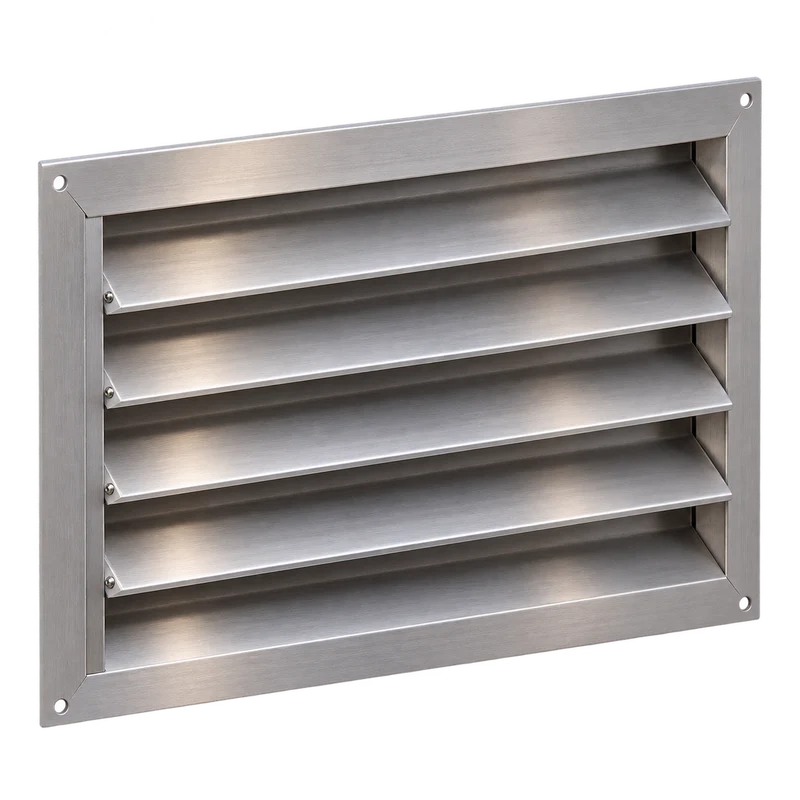
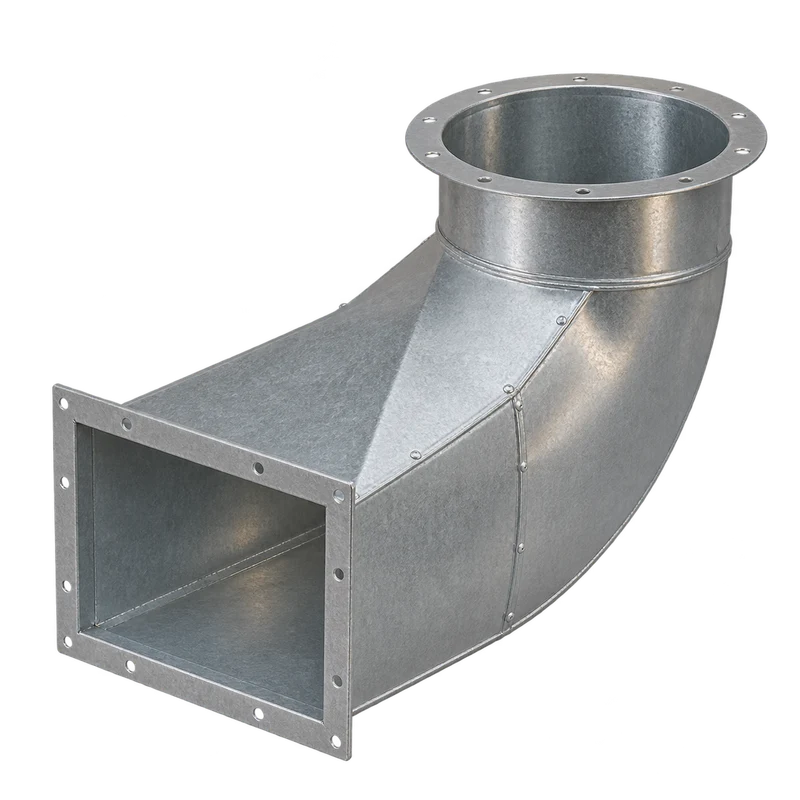
Ductwork, air-handling housings and equipment panels.
Prepare recurring geometries, material requirements and cutting files. Plan fabrication and assembly around the components needed for each unit or installation.
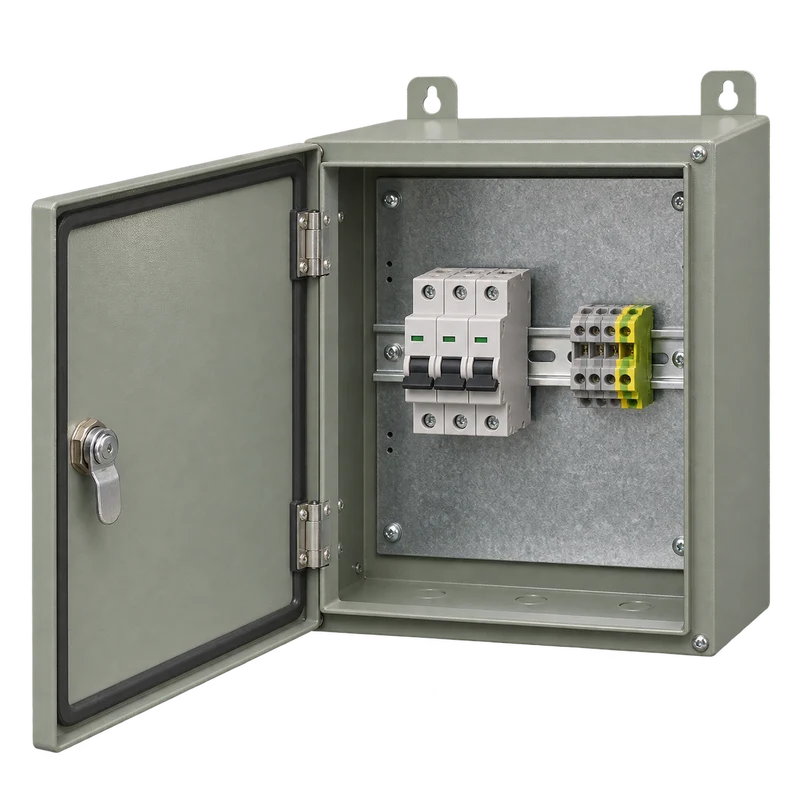
Control cabinets, equipment enclosures and mounting panels.
Keep configurations, component lists and revisions together. Connect purchased hardware and outsourced finishes to assembly readiness and shipment quantities.
Stainless-steel counters, guards, covers and equipment assemblies.
Carry material and surface-finish requirements into job preparation. Coordinate cutting, forming, welding and outside finishing without losing the details needed for final assembly.
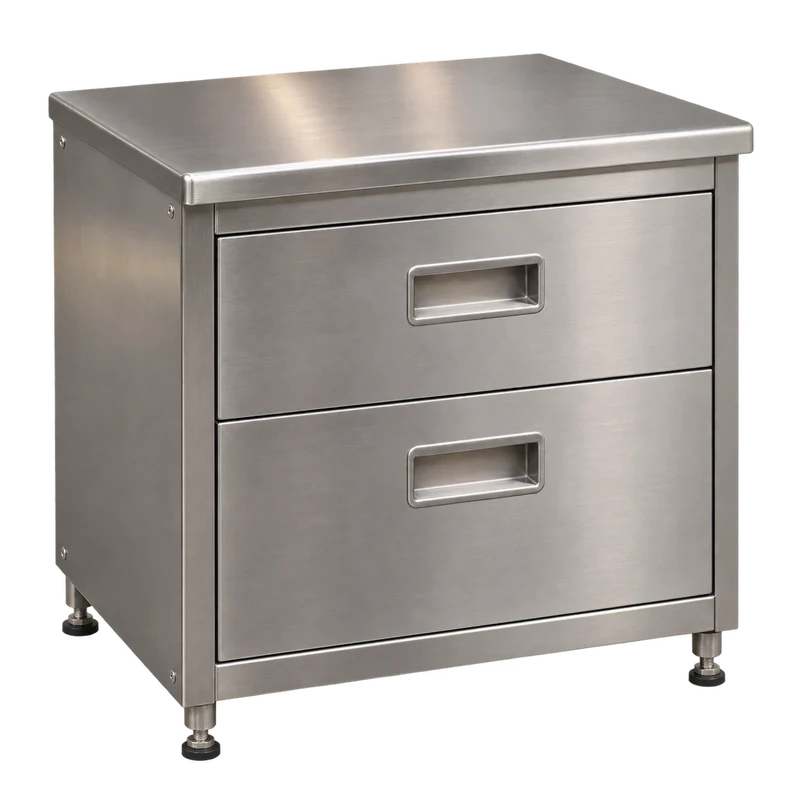
Cabinets, workstations, drawers and instrument housings.
Structure product families around dimensions and options. Generate the related parts and files, then keep purchased components and installation kits tied to the correct configuration.
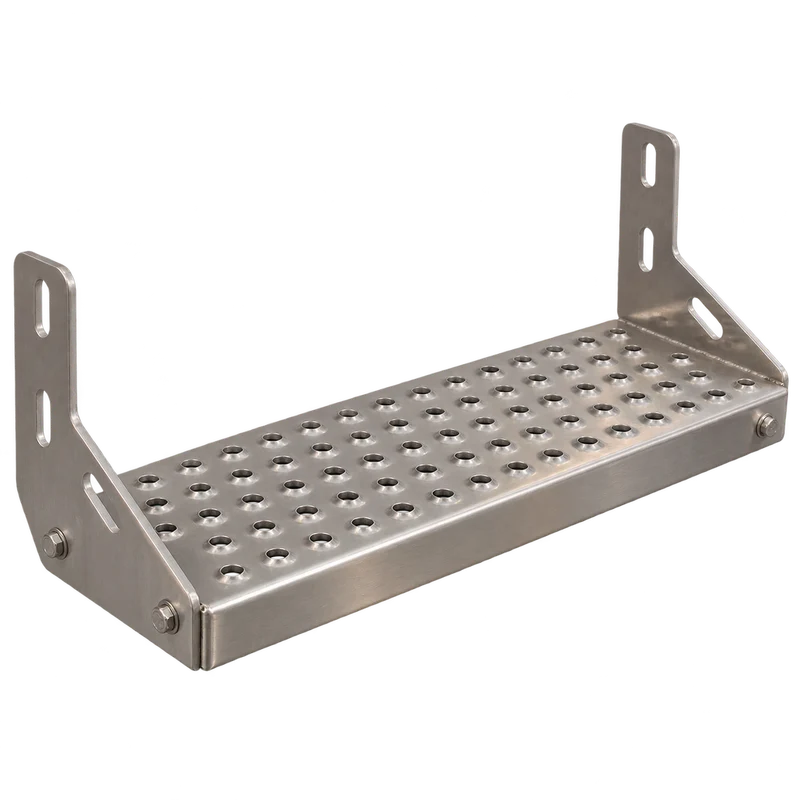
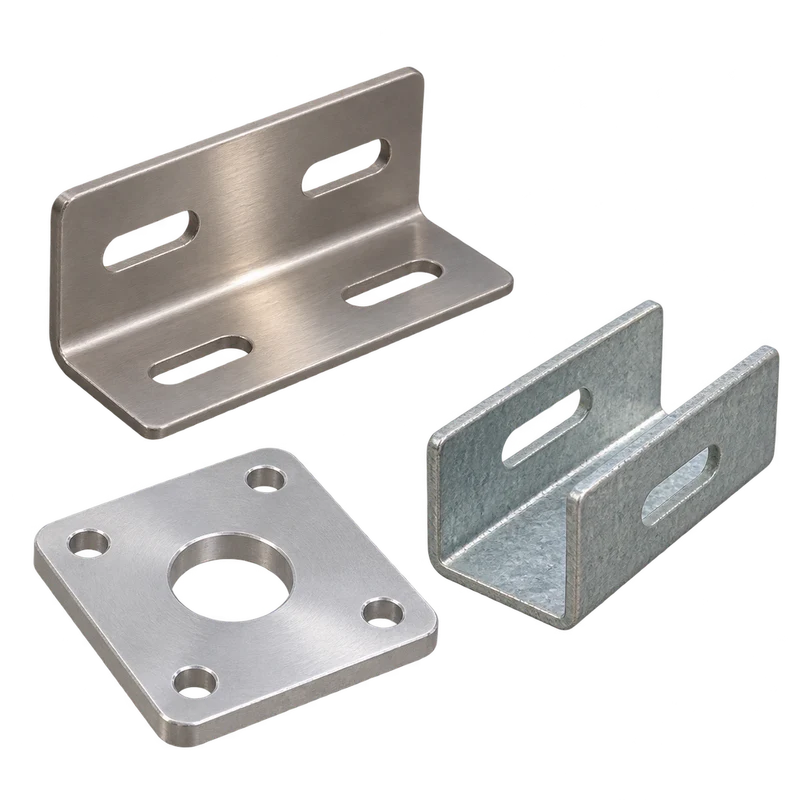
Brackets, interior panels, trays and protective covers.
Organize part variants, revisions and batch quantities. Follow work sent to outside suppliers and prepare component kits for the assembly or delivery sequence.
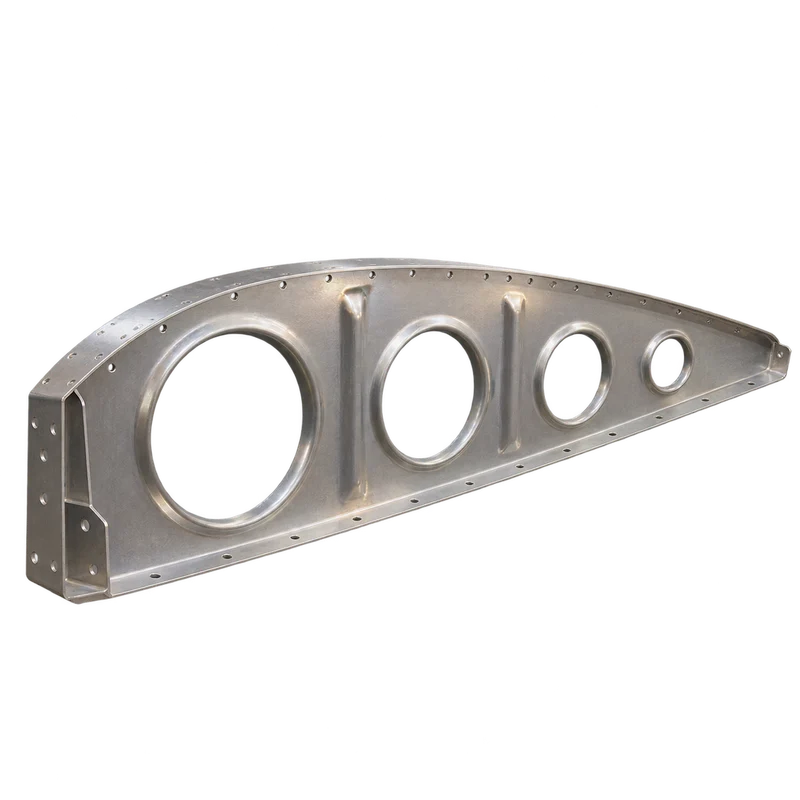
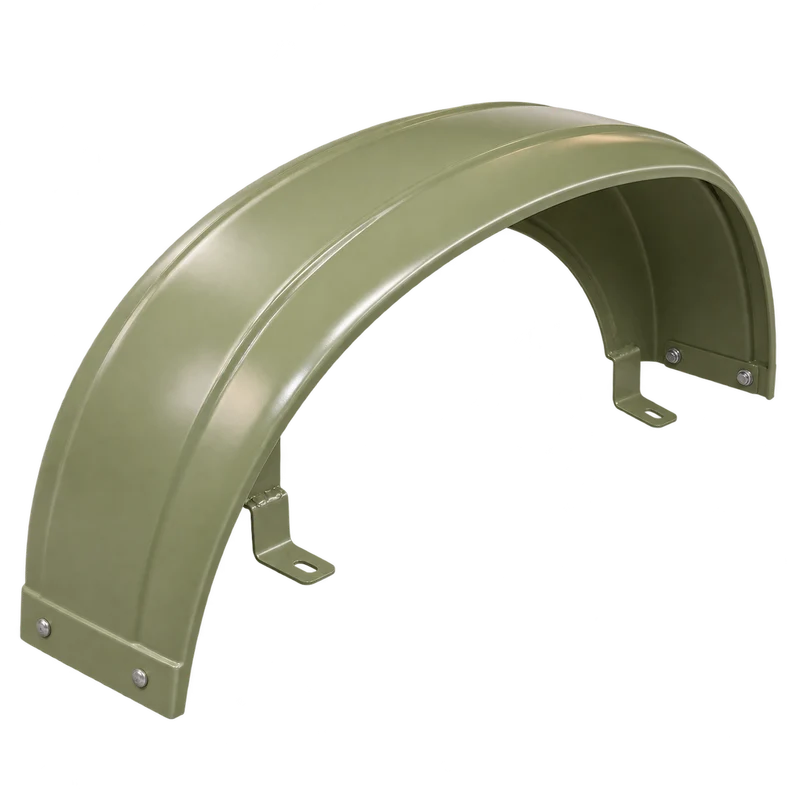
Formed ribs, brackets, shields and equipment supports.
Prepare geometry and manufacturing files against the released revision. Structure material references, operation records and external processing information around the customer’s documentation requirements.
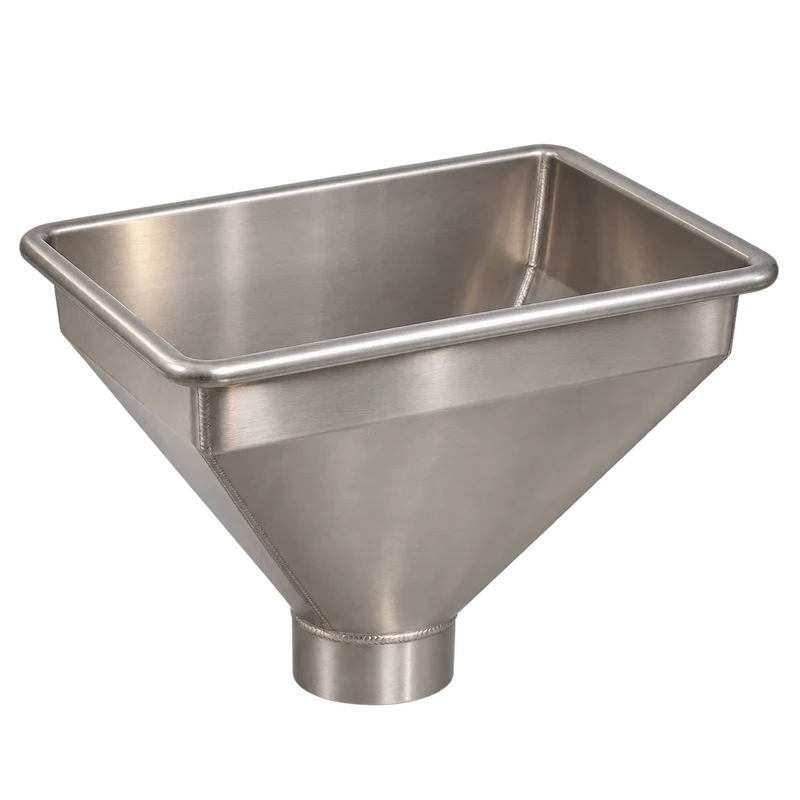
Guards, hoppers, chutes and formed structural components.
Review part preparation alongside cutting, bending and assembly capacity. Bring material availability and supplier returns into the plan, especially when seasonal priorities change.
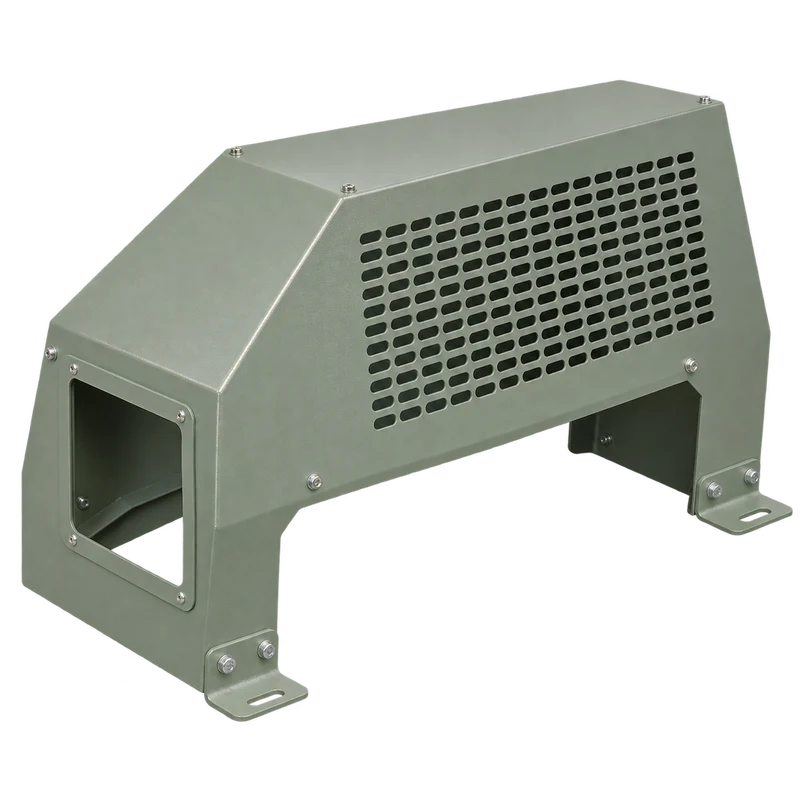
Machine covers, safety guards, bases and equipment frames.
Connect engineering changes to fabrication and purchasing. Keep custom assemblies, subcontracted parts and outstanding items visible through to packing and dispatch.
These sectors are starting points, not the limits of our work. What matters is what you manufacture: the geometry, materials, product variations, order volumes and operations involved.
A recurring product may need a configurator and repeatable CAD/CAM preparation. A custom assembly may need clearer links between purchase orders, supplier returns, production planning and shipping. We define the project around those needs and the tools already in place.
Describe a representative part or product family, the operations involved and the information that is difficult to keep together. Your sector does not need to appear in this list.