

Services
Between the drawing
and the finished part.
A part passes through more than machines. Its route includes material purchases, a place in the schedule, sometimes an outside supplier, and a shipment. We work on the drawings, data and software that connect those steps.
Workflow & process design
Document operations, waiting time, material movements and production constraints.
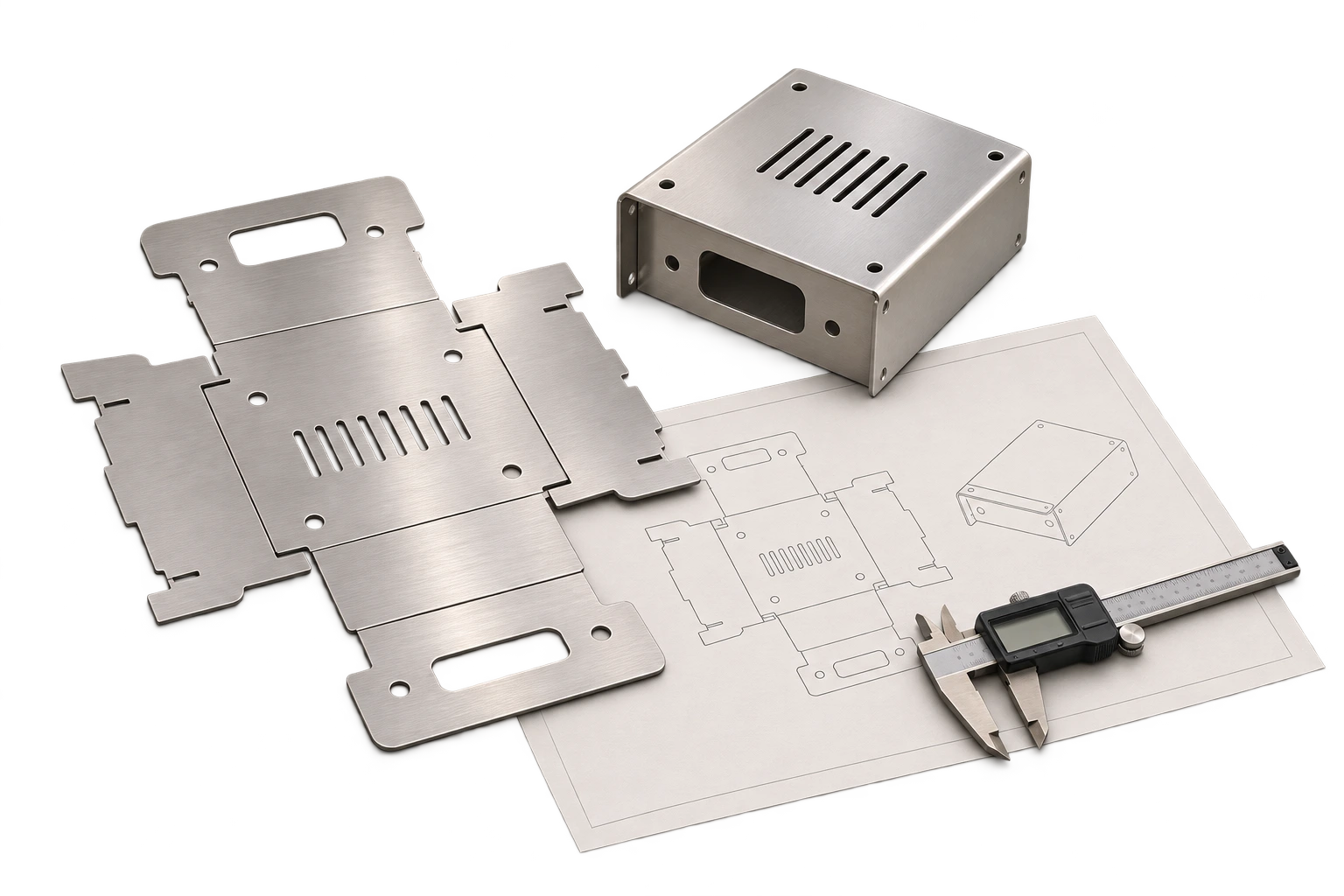
We examine how information and material move through the operation, including dependencies, machine cells, and transfers between departments. Product and process analysis looks at the part as well as its route through the workshop: bends, punch operations, setup, handling, and assembly. We look for simpler ways to manufacture it while respecting function and quality requirements.
Planning also depends on what happens outside a machine cell. We trace material receipts, outsourced operations and their expected return dates against the assembly sequence and shipping commitments. The process map shows where work waits, who updates the information and which decisions follow.
Scope of work
- Workflow mapping and bottleneck analysis
- Product and operation analysis
- Capacity, supplier lead times and shipping dependencies
Possible deliverables
- A shared process map
- Prioritized improvement opportunities
- Defined handoffs and responsibilities
Inside a workflow and product review
- Can a bend, punch operation, or handling step be removed without changing the part’s function?
- Where does work wait for material, a subcontractor’s return, inspection or the next machine?
- Do cutting cells and bending resources have compatible capacity?
Scheduling scenario · three orders, one press brake
What runs next—and what does that commit us to?
Monday, 08:00. The blanks are ready. Two orders share tooling; a third must ship today. Compare the sequences, then the commitments still to confirm.
30 machine frames
2 h · outsourced coating
Planned shipment Friday60 ventilation panels
2 h 30 · same tooling as FR-240
Planned shipment Tuesday40 service brackets
1 h 30 · different tooling
Carrier Monday · 14:00One tooling change, but the brackets finish bending at 14:30. Allowing an hour for inspection and packing puts them past the 14:00 carrier cutoff.
FR-240 · downstream commitments
The coating return also shapes the delivery promise.
30 frames expected Wednesday
Revised return: 18 Thursday, 12 Friday. Keep both lots and their dates visible against the purchase order.
60 fasteners due Thursday
Two per frame. Assembly needs accepted coated frames and received fasteners; reserve the corresponding assembly capacity.
18 Friday / 12 Monday?
A proposed split, subject to receipt, assembly and inspection. Agree the partial delivery with the customer before changing commitments.
Custom software & integrations
Connect the commercial order, the purchase order and the work on the floor.
We develop scripts, applications and integrations around specific manufacturing needs. A customer order sets quantities and required dates; purchase orders cover material or outsourced services; production records show what has actually been made. Connecting those records gives planning and shipping a usable picture of what remains.
A focused project might link a subcontracting purchase order to the parts sent out, the promised return and the quantities received. Another might prepare a packing list from completed items while keeping partial shipments visible. We define the source of each field, approval rules and how changes reach the next system.
Scope of work
- Customer and purchase order connections
- Planning, outsourcing and receipt tracking
- Shipment readiness and packing-list workflows
Possible deliverables
- A defined data flow
- A focused software solution
- Tested operating instructions
Inside an integration review
- Which system owns customer orders, purchase orders, supplier commitments and shipment quantities?
- What information should move automatically, and what needs a person’s approval?
- How should missing data, changes, and rejected transfers be handled?
Integration example · order for 12 units
One component. The records connected to it.
Assembly structure
EC-600 × 1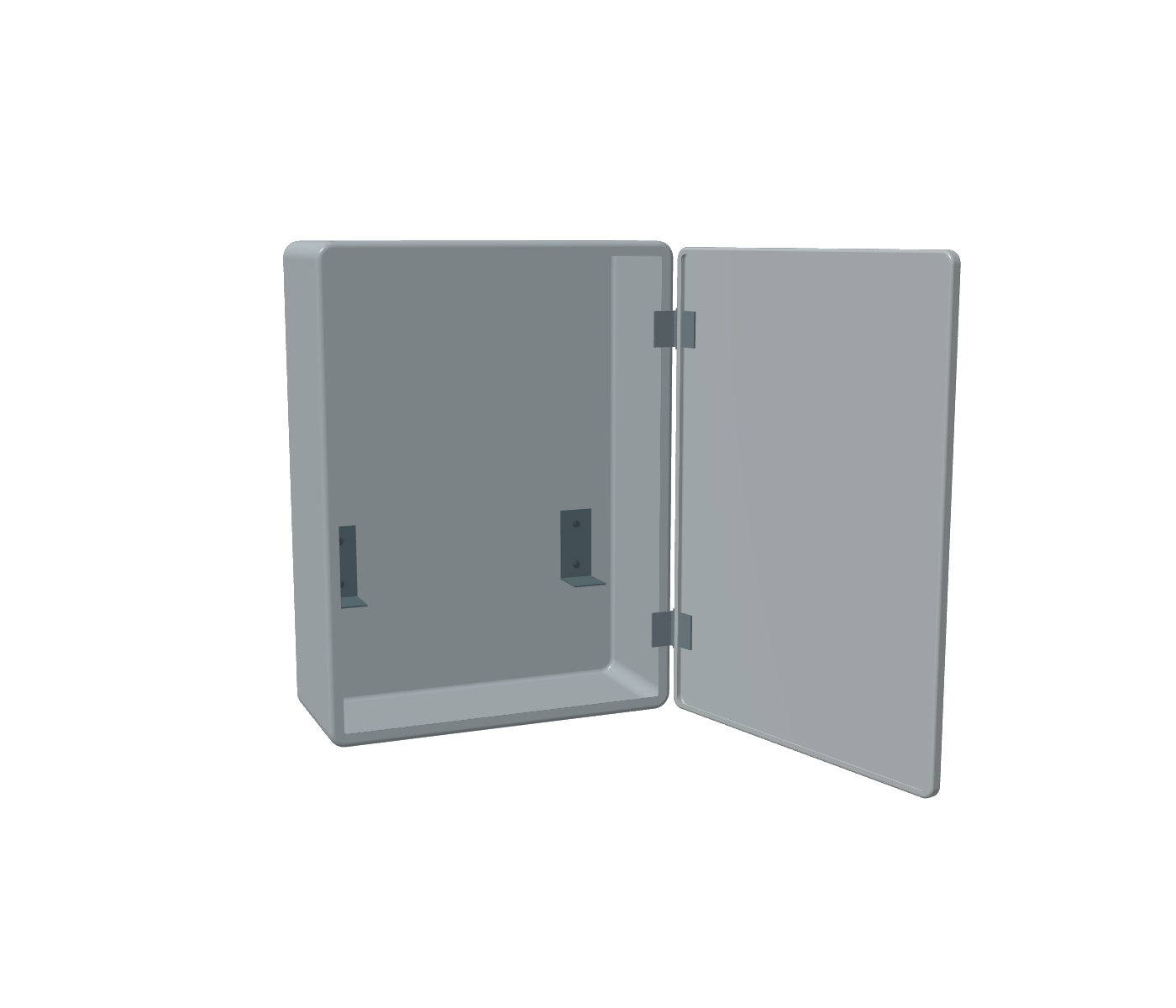
BD-600 REV C
Body
CAD/CAM & production automation
Carry design information into manufacturing with fewer manual steps.
We help develop parametric product families, check 2D drawings, and prepare folded models and flat patterns for downstream use. The review extends to nesting, cutting, and bending: how parts are prepared, how files are handled, and what each production stage requires.
The released information also travels to purchasing and outside suppliers. Drawing revisions, material specifications, quantities and finishing requirements need to agree with the package sent for quotation or subcontracting.
Scope of work
- Parametric CAD and product families
- Drawing and flat-pattern preparation
- Nesting, cutting, and bending workflows
Possible deliverables
- Consistent modeling rules
- Structured production data
- Repeatable preparation workflows
Inside a CAD/CAM review
- Which dimensions and options define a product family, and which combinations are valid?
- Do the folded model, flat pattern, and released drawing represent the same revision?
- How do nesting, tool changes, cutting paths, and bending sequences affect preparation?
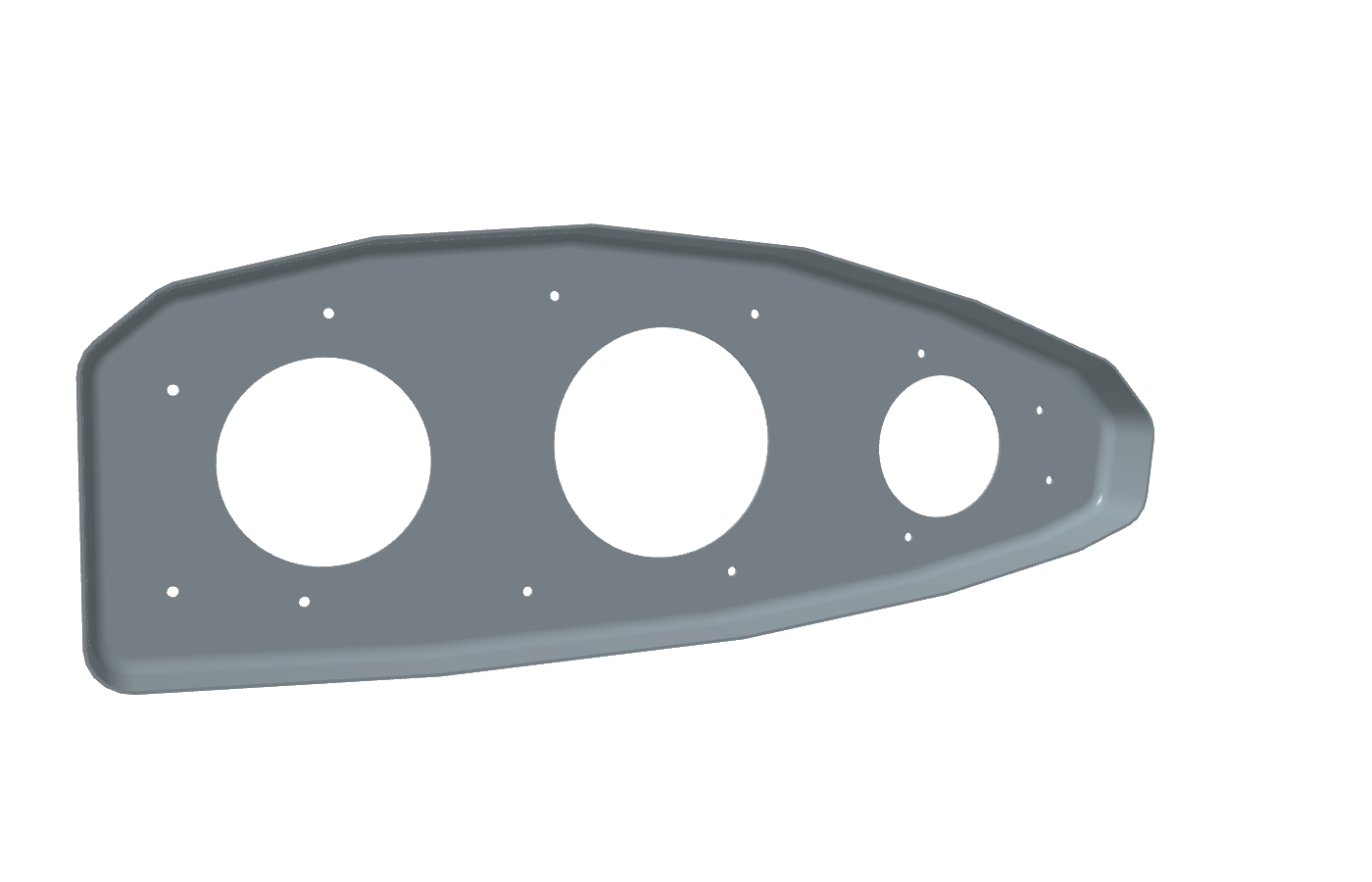
CAD/CAM preparation · illustrative geometry
From the solid to the manufacturing detail.
RIB-600 REV C
- 01Sheet · 1.6 mm
- 02Outer profile
- 033 lightening cutouts
- 0412 fastener holes
- 05Formed flanges · R8
 3D view · rotation
Software & equipment advice
Assess technology in the context of your actual operation.
We help compare CAD/CAM, nesting, and planning tools against your products, processes, and integration requirements. Equipment discussions consider laser, punch, plasma, combination machines, and bending capacity alongside the surrounding workflow and investment priorities.
For planning and business software, we use representative orders to check how material availability, purchase order receipts, outsourced work and partial shipments are handled. A useful demonstration should show what happens when the dates or quantities change.
Scope of work
- Software requirements and selection
- Equipment and capacity assessment
- Implementation and investment priorities
Possible deliverables
- Clear selection criteria
- A practical comparison
- A staged implementation plan
Inside a technology investment review
- Which parts and production volumes should the proposed machine or software handle?
- How do new and used equipment, tooling, support, and implementation costs compare?
- Will the investment improve the whole flow, or move the bottleneck elsewhere?
Illustrative comparison · parts per shift
A faster machine is not always the next investment.
Same part family · same shift length
Project inquiry
Request a project review.
Describe the task, the systems involved and the output required. Include the main constraints: capacity, file formats, available data or implementation dates.